


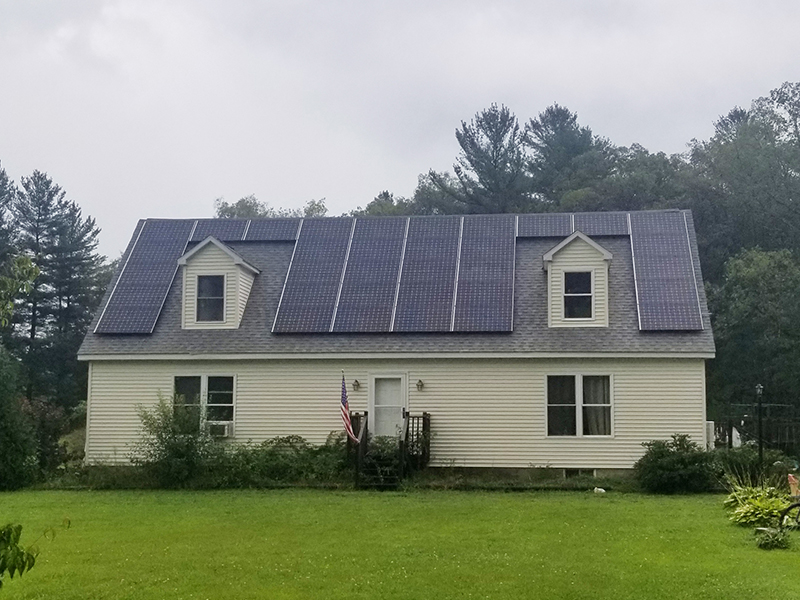
The combination of solar panels and electric cars represents one of the most exciting developments in sustainable home energy. As more homeowners embrace both technologies, a common question arises: can rooftop solar panels actually charge your electric vehicle? This article explores whether solar panels for electric cars installed on your residential roof can effectively power your EV, how much energy is required, and whether this setup is cost-effective for the average American household. Understanding the relationship between electric cars and solar panels can help you make informed decisions about maximizing your green energy investment.
Can You Charge Your Electric Vehicle with Solar Panels?
Yes! You absolutely can charge a car with solar panels installed on your roof. The concept is straightforward: your rooftop solar system generates electricity during daylight hours, which flows into your home’s electrical system. When you plug in your electric car solar panel charging cable, your vehicle draws power from that same system. If your panels are producing more electricity than your home needs, that excess energy charges your EV. If your solar production is insufficient, your home draws supplemental power from the grid to complete the charging process.
The connection between home solar systems and solar charging ev works through your existing electrical infrastructure. Most homeowners use a Level 2 home charging station (240-volt outlet) that connects to their main electrical panel—the same panel that receives power from their rooftop solar array. During sunny days, your solar panel electric car charger essentially runs on free, clean energy. At night or during cloudy weather, you’ll draw from the grid, but if you have net metering, credits from your daytime solar production can offset these costs. This seamless integration means you don’t need separate equipment; your existing ev solar panels and home charging station work together automatically.
How Many Solar Panels Are Needed to Charge an EV?
The number of solar panels for EV charging depends on your vehicle’s energy consumption and driving habits. Most electric vehicles consume 25-40 kWh per 100 miles driven. If you drive the average American distance of 12,000 miles annually, your EV needs approximately 3,000-4,800 kWh per year.
A typical residential solar panel produces 300-400 watts and generates roughly 400-500 kWh annually, depending on your location and sun exposure. To fully offset your EV’s energy needs, you’d need approximately 6-10 additional solar panels beyond what powers your home. For example, if you drive 30 miles daily, you’ll need about 10-12 kWh per day for your vehicle, which translates to 6-8 panels dedicated to solar charging electric car needs.
However, most homeowners installing solar panels electric cars systems don’t calculate separately for their vehicle—they simply size their solar array to cover both home and transportation energy needs. A typical American home uses 10,000-12,000 kWh annually. Adding an EV increases total consumption to 13,000-17,000 kWh, requiring a solar system of roughly 20-30 panels total to achieve energy independence for both home and vehicle.
Is It Worth Using Solar Panels to Charge Your Car?
Using solar panels for electric car charging is highly cost-effective for most homeowners. The average American spends $1,500-$2,000 annually on gasoline. Switching to an electric car solar charging setup eliminates this expense, replacing it with solar electricity that costs just pennies per kWh after your initial system investment.
Let’s compare the economics: a rooftop solar expansion of 6-10 panels costs approximately $4,500-$7,500 installed. These panels will generate enough electricity to power 12,000 miles of EV driving annually for 25+ years. Over the system’s lifetime, you’ll save $37,500-$50,000 compared to gasoline costs (assuming $3.50/gallon and 25 mpg). Even accounting for the initial investment, your payback period is typically 3-5 years, after which you’re essentially driving for free.
Rooftop solar panel electric vehicle charging is generally more convenient and cost-effective than ground-mounted systems. Your roof is already there, requiring no additional land. Installation integrates with your existing electrical system, and you benefit from the same net metering arrangements as your home power. Ground-mounted systems cost 15-25% more due to additional materials and labor, though they offer flexibility if your roof isn’t suitable for solar.
The convenience factor shouldn’t be overlooked: charging your EV with solar panels at home means you wake up every morning with a “full tank” without ever visiting a gas station. Combined with federal tax credits (30% of installation costs) and potential state incentives, the investment becomes even more attractive.
Ready to power both your home and vehicle with clean solar energy? AllSeason Solar & Roofing in New Jersey specializes in designing comprehensive solar systems that include solar panels for electric vehicles charging needs. Our experts will calculate your total energy requirements and create a custom solution that keeps both your home and EV running on sunshine. Contact us today for a free consultation and discover how affordable solar-powered driving can be!