


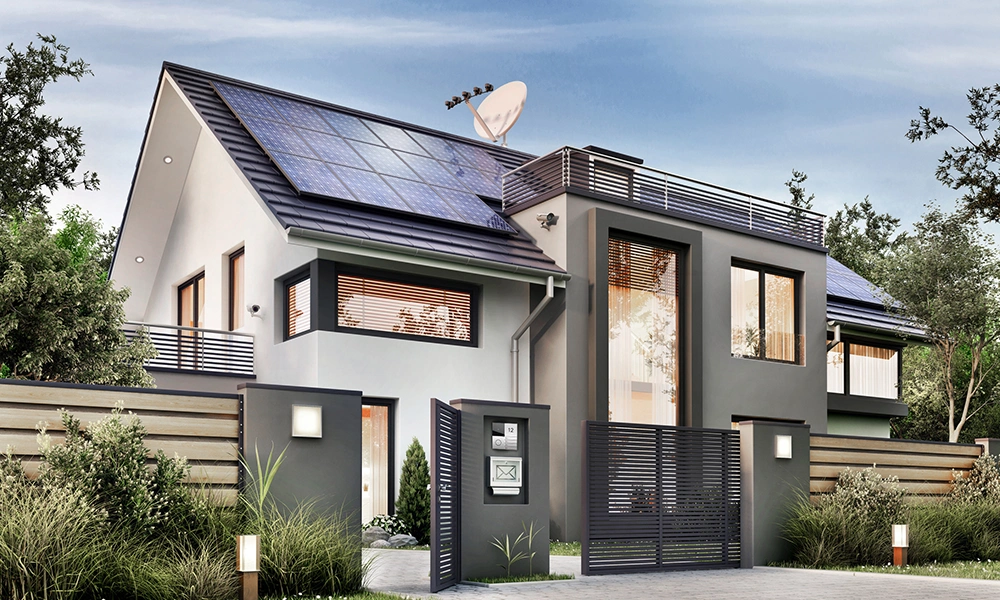
The future of residential living is here, and it’s powered by innovation, sustainability, and smart technology. Energy efficient homes represent a revolutionary shift in how we think about housing—combining cutting-edge renewable energy systems, advanced insulation, intelligent climate control, and sustainable materials to create living spaces that are comfortable, affordable, and environmentally responsible. As climate concerns intensify and energy costs rise, homes of the future offer a practical solution that benefits both homeowners and the planet.
What Is an Energy-Efficient Home?
An energy efficient housing structure is a dwelling specifically designed and built to minimize energy consumption through advanced technologies, superior insulation, and intelligent systems that reduce waste while maintaining optimal comfort levels.
These homes use significantly less energy than conventional buildings for heating, cooling, lighting, and daily operations, often generating their own renewable power to achieve net-zero or net-positive energy status.
Key technologies and features include:
Solar panels – Rooftop photovoltaic systems generate clean electricity, often producing more power than the home consumes, dramatically reducing or eliminating utility bills.
Battery storage – Energy storage systems capture excess solar production for use during nighttime or power outages, maximizing energy independence.
Heat pumps – These highly efficient systems provide both heating and cooling by transferring heat rather than generating it, using 50-75% less energy than traditional HVAC systems.
Underfloor heating or larger radiators – Low-temperature heating systems work efficiently with heat pumps, distributing warmth evenly throughout the home.
EV chargers – Integrated electric vehicle charging stations allow homeowners to power their transportation with solar energy.
Full insulation in floors, walls, and roofs – Comprehensive insulation creates a thermal envelope that maintains comfortable temperatures year-round with minimal energy input.
Double or triple-glazed windows – High-performance windows prevent heat loss in winter and heat gain in summer, significantly reducing heating and cooling demands.
High-quality air sealing – Eliminating air leaks prevents conditioned air from escaping and outdoor air from infiltrating.
Ventilation systems – Heat recovery ventilation (HRV) or energy recovery ventilation (ERV) systems provide fresh air while recovering heat from exhaust air.
Smart heating controls – Programmable thermostats and zoned heating systems optimize energy use by heating only occupied spaces when needed.
Why Is an Energy-Efficient Home Important?
Energy efficiency homes play a crucial role in addressing climate challenges. Buildings account for approximately 40% of U.S. energy consumption and carbon emissions. By reducing energy use through modern energy efficient homes design, we can significantly lower our collective carbon footprint. Each energy-efficient home removes tons of carbon dioxide from the atmosphere annually—equivalent to planting hundreds of trees. These homes also support energy grid stability, contribute to energy independence, and demonstrate that sustainable living doesn’t require sacrifice.
Benefits of an Energy-Efficient Home
Reduced energy bills – Most energy efficient homes can reduce utility costs by 50-90% compared to conventional houses. Solar panels often eliminate electricity bills entirely.
Increased comfort – Efficient houses maintain consistent temperatures throughout, eliminate drafts, reduce noise pollution, and provide superior indoor air quality.
Higher property value – Studies show most energy efficient house designs sell faster and for 3-5% more than comparable conventional homes.
Lower environmental impact – Many energy efficient home examples achieve net-zero or net-positive energy status, producing more clean energy than they consume.
How to Make Your Home More Energy-Efficient
Install solar panels if you don’t have them yet – Solar energy is the cornerstone of energy-efficient housing. A properly sized system can eliminate your electricity bills while increasing property value.
Upgrade roof insulation and ventilation systems – Roof insulation delivers enormous returns. Combine it with proper ventilation to prevent moisture buildup.
Improve walls, floors, and windows with proper insulation and double/triple glazing – Creating a complete thermal envelope prevents energy waste.
Use energy-efficient siding to reduce heat loss – Modern siding materials include insulation layers that create an additional thermal barrier.
Add smart heating controls and efficient heating systems like heat pumps – Replace aging furnaces with heat pump technology and optimize with programmable controls.
How Much Can You Save with an Energy-Efficient Home?
The financial benefits of modern energy efficient homes are substantial. A typical American household spends $2,000-$3,000 annually on energy. By implementing comprehensive efficiency measures including solar panels, homeowners can reduce these costs by $1,500-$2,700 per year. Over 25 years, that’s $37,500-$67,500 in savings. Solar panels alone typically save $20,000-$40,000 over their lifetime. Combined with federal tax credits (30% for solar installations) and state incentives, the payback period averages just 5-8 years.
Building the most energy efficient home starts with the right partner. AllSeason Solar & Roofing brings New Jersey homeowners expert solar panel installation combined with complete roofing services—new installations, repairs, and full replacements. Our team ensures every component works together seamlessly for maximum energy savings, comfort, and property value. Take the first step toward a sustainable, cost-effective future—schedule your free consultation with AllSeason Solar & Roofing today!